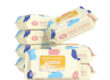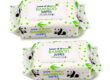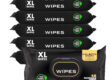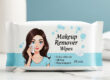


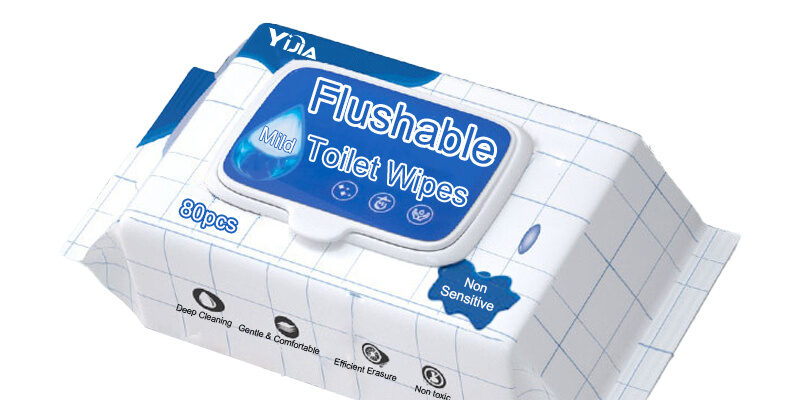
Introduction: Why Engineering Matters in Flushable Wipes
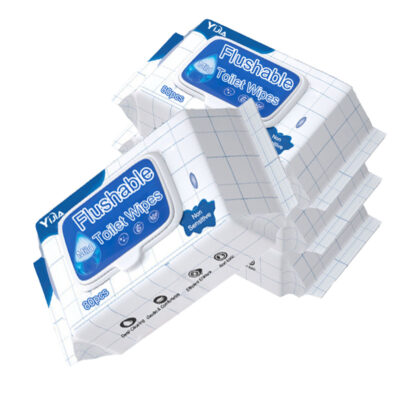
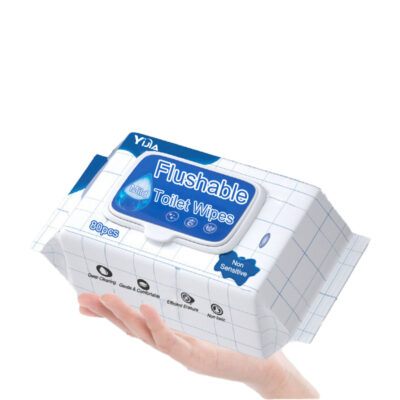
Flushable wipes are no longer just a convenience—they represent a growing product category where performance and safety intersect. Buyers expect wipes that are soft, effective, and safe for plumbing systems. For procurement managers, understanding how flushable wipes manufacturers balance fiber blends and disintegration testing is key to selecting the right partners.
Fiber Blends: The Backbone of Flushability
The effectiveness of flushable wipes begins with the choice of fibers. Unlike conventional wipes, flushable versions must combine strength during use with rapid breakdown in water.
✔ Cellulose and wood pulp – Highly biodegradable, enabling fast disintegration.
✔ Viscose fibers – Provide softness and absorbency while maintaining eco-friendliness.
✔ Biodegradable polymers – PLA and other bio-based fibers for added strength with sustainability.
Leading Flushable Wet Wipes Manufacturers engineer blends that resist tearing in-hand but disperse under agitation in wastewater systems.
Disintegration Testing: Meeting Global Standards
Flushable wipes must pass stringent guidelines to ensure they break down without clogging pipes or damaging sewage infrastructure. Common testing protocols include:
✔ Slosh Box Test – Simulates wipes in household wastewater systems.
✔ Screen Test – Ensures fibers don’t block filters or municipal sewage grids.
✔ Settling Test – Measures how quickly wipes break into smaller pieces.
✔ Biodegradability Tests – Confirms fibers break down naturally over time.
Reliable Wipe Manufacturers invest in certified laboratories to validate each batch, providing procurement teams with compliance documentation required by EU, US, and Asian markets.
Balancing Performance and Flushability
A key engineering challenge lies in balancing two competing goals:
-
Strength in use – Wipes must remain intact during cleansing to avoid consumer complaints.
-
Rapid breakdown – Once flushed, they must fragment quickly to prevent plumbing issues.
Manufacturers achieve this by adjusting fiber lengths, bonding processes, and lotion formulations, ensuring that wipes are both consumer-friendly and wastewater-safe.
Sustainability in Flushable Wipes
Environmental pressure is pushing brands toward eco-friendly flushable options. Buyers now request:
✔ 100% biodegradable substrates such as bamboo or viscose.
✔ Plastic-free packaging aligned with green marketing.
✔ Compostable alternatives for premium markets.
This shift ensures wipes meet consumer expectations while reducing the environmental footprint.
Procurement Considerations for Buyers
When sourcing flushable wipes, procurement managers should evaluate:
-
Supplier experience in fiber engineering and disintegration testing.
-
Availability of certifications (INDA/EDANA, ISO, and local plumbing approvals).
-
MOQ flexibility to test market acceptance before large-scale rollout.
-
Customization options for lotion type, fragrance, and eco-friendly substrates.
Choosing the right supplier ensures reliability, compliance, and scalability for private label projects.
Conclusion: Trust Built on Engineering and Testing
Flushable wipes are not just another hygiene product—they require precise engineering to balance consumer performance and environmental responsibility. By partnering with experienced flushable wipes manufacturers and global wipe manufacturers, buyers can secure products that are soft, effective, and compliant with international standards. In an industry where trust and regulation are paramount, fiber blends and disintegration testing are the cornerstones of success.